
 FRONT MUDGUARD
 FRONT WHEEL
 SILENCER
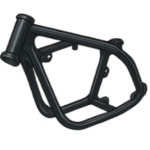 FRAME BODY


Online Blackjack in Maine: Market Overview and Strategic Outlook
Maine’s online gambling scene has shifted from a cautious pilot to a fully fledged, tech‑driven marketplace. With a population of just over 1.3 million, the state’s licensing framework – born from the 2013 Maine Lottery Washington Act – offers a transparent path for operators while keeping responsible gaming at the forefront. Today, online blackjack dominates the licensed offerings, drawing players who appreciate deep strategy and the freedom of mobile play.
Regulatory Landscape in Maine
Maine’s approach marries statutory licensing, rigorous compliance, and proactive responsible‑gaming safeguards. The state imposes a $35,000 annual franchise fee, a 5% share of gross revenue to the lottery, and requires real‑time wagering analytics. Geolocation enforcement is tight: IP checks and self‑declared residency forms keep cross‑border traffic in check. Deposit limits, timeout options, and self‑exclusion portals are mandatory, and quarterly audits by bodies such as eCOGRA verify adherence. The clear rules have attracted a steady stream of entrants, creating competition that benefits consumers with lower fees, richer bonuses, and higher service quality. Operators can register through the state’s portal, and players can find licensed platforms at https://blackjack.maine-casinos.com/.
Real‑time geolocation checks prevent non‑residents from accessing online blackjack maine (ME): maine-casinos.com.“The combination of a straightforward licensing process and robust oversight makes Maine a magnet for operators seeking a stable, regulated environment,” says Dr. Emily Carter, a gambling policy analyst.
Casino Software Providers and Technical Foundations
Success hinges on a reliable software engine. In Maine, operators usually work with three global vendors, each bringing distinct strengths:
| Vendor | Core Blackjack Variants | Typical RTP | Mobile & Desktop | Live Dealer Capability |
|---|---|---|---|---|
| Microgaming | Classic, 21+3, Vegas Strip | 95.5% – 97.2% | Native + Web | Limited |
| NetEnt | Multi‑hand, Double Exposure | 96.0% – 97.5% | Native + Web | Yes |
| Evolution Gaming | Live Blackjack, Live 3‑Card | 94.8% – 96.5% | Native + Web | Yes |
| Playtech | Progressive Jackpots, Bonus Rounds | 95.0% – 97.0% | Native + Web | No |
All platforms run RNGs audited annually by independent firms, ensuring true randomness. Cloud‑native architectures allow operators to scale instantly during peak periods such as sports events or holidays. Many also employ API‑driven integrations to tie casino fronts to loyalty programs, creating a seamless player journey from sign‑up to withdrawal.
“Cloud scalability is a game‑changer,” notes John Martinez, CTO of a leading Maine operator.“It lets us support sudden traffic spikes without compromising speed or security.”
Player Experience and Interface Design Trends
Maine players value clean navigation, sharp graphics, and rewarding systems. Modern interfaces focus on responsiveness: card decks maintain proper spacing on everything from a 4K monitor to a smartphone screen. Touch gestures are optimized for quick decisions, and on‑screen tutorials help newcomers master basic strategy. Loyalty tiers reward frequent play with cashback, bonus credits, or even exclusive tournament invites. Live‑dealer rooms boast high‑definition feeds and low latency, catering to those craving a casino‑like feel from home.
Economic Performance and Market Dynamics
Since licensing began in 2015, Maine’s online gambling revenue has grown steadily, reaching roughly $60 million in 2023. Blackjack accounts for about 35% of that figure, reflecting its popularity among both casual and serious players. The average customer spends around $120 per month, with a high retention rate thanks to attractive promotions and a strong community of forums and social media groups. Competition among
