
 FRONT MUDGUARD
 FRONT WHEEL
 SILENCER
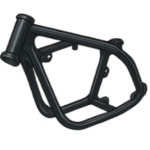 FRAME BODY

Mastering the Art of Poker: Strategies, Tips, and the Thrill of the Game

Understanding the Basics of Poker
Poker is a game of skill, strategy, and psychology. To excel, you must first grasp the fundamentals. Each hand involves betting rounds, hand rankings, and decision-making based on probability. Mastering poker strategies begins with learning when to fold, call, or raise. For beginners, understanding the value of a strong starting hand is critical. Whether you’re playing live or engaging in online poker, the core rules remain consistent, but the dynamics shift based on the environment.
Types of Poker Games
There are numerous poker variants, each with unique rules and strategies. Texas Hold’em is the most popular, followed by Omaha, Seven-Card Stud, and Five-Card Draw. Each game requires tailored poker strategies. For instance, Omaha demands a tighter hand selection due to the four-hole-card format, while Seven-Card Stud relies heavily on position and observation. Choosing the right variant aligns with your strengths and poker psychology, ensuring a more enjoyable and profitable experience.
Essential Poker Strategies
- Position Play: Acting last in a hand provides a significant advantage. Use late position to exploit early aggression and control pot size.
- Hand Selection: Avoid playing marginal hands. Focus on premium holdings to reduce risk and increase long-term profitability.
- Bluffing Techniques: Bluff sparingly and only when the table dynamics allow. A well-timed bluff can steal pots, but overuse erodes credibility.
- Bankroll Management: Set strict limits on how much you’re willing to risk. Never play with money you can’t afford to lose.
- Adaptability: Adjust your poker strategies based on opponents’ tendencies. If a player is overly aggressive, counter with patience and selective calls.
The Psychology of Poker
Poker psychology is the backbone of successful play. Reading opponents’ body language, betting patterns, and emotional tells can reveal their hand strength. However, in online poker, physical cues are absent, making it harder to detect bluffs. This is where mental discipline becomes vital. Avoid tilt—a state of frustration that leads to poor decisions—and stay focused on the long-term game plan. Poker psychology also involves managing expectations; winning streaks and losing sessions are part of the game’s natural ebb and flow.
Emotional control is equally important. Players who remain calm under pressure often outperform those who react impulsively. Use poker psychology to stay composed during bad beats and maintain a strategic mindset. Over time, this mental resilience becomes a key differentiator between average and elite players.
Online Poker: Pros and Cons
Online poker offers unparalleled convenience and accessibility. Players can join games from anywhere, at any time, and choose from a wide range of stakes and formats. The ability to multitask across multiple tables also increases earning potential. However, online poker has its drawbacks. The lack of physical tells makes it harder to read opponents, and the fast pace can lead to rushed decisions. Additionally, the risk of addiction is higher in a digital environment, where the thrill of the game can feel more immediate.
Despite these challenges, online poker remains a popular choice for many. Platforms like online-aussie-play.com provide secure and regulated environments for players to hone their skills. The key is to balance the convenience of online play with disciplined poker strategies and a clear understanding of the risks involved.
Mastering Poker Tournaments
Poker tournaments demand a different approach than cash games. The structure of tournaments, with increasing blinds and a single prize pool, requires aggressive poker strategies as the game progresses. Early stages focus on survival, while the middle and late stages prioritize accumulating chips and applying pressure. Understanding the ICM (Independent Chip Model) is crucial for making mathematically sound decisions in the final tables.
Common Poker Mistakes to Avoid
- Playing Too Many Hands: Novices often overplay weak hands, leading to unnecessary losses. Stick to a tight starting hand range to improve win rates.
- Ignoring Position: Position is a fundamental element of poker psychology. Failing to adjust play based on position can result in missed opportunities or costly errors.
- Poor Bankroll Management: Playing at stakes beyond your bankroll increases the risk of going broke. Always allocate funds based on your risk tolerance and long-term goals.
